

Nurturing Young Minds: A Guide for Play School Parents

Welcome to our play school community! As a parent, choosing the right early childhood education environment for your child is a crucial decision. It’s the foundation upon which their future academic success and love for learning are built. In this blog, we’ll explore some essential tips and insights for parents of play school children. Our goal is to help you navigate this exciting phase of your child’s life, ensuring they thrive both academically and emotionally.

The Importance of Early Childhood Education

Early childhood education plays a pivotal role in a child’s overall development. During these formative years, children experience rapid cognitive, social, and emotional growth. Attending a play school provides them with structured opportunities to develop essential skills that will benefit them throughout their lives.

Creating a Positive Learning Environment at Home

While play school is a significant part of your child’s early education, the home environment also plays a critical role. Here are some tips to create a positive and nurturing learning environment at home:

  1. Establish a Routine: Children thrive on routine. Having a consistent schedule helps them feel secure and understand what to expect each day. Include time for play, learning, meals, and rest in your daily routine.
  2. Encourage Curiosity: Young children are naturally curious. Encourage their curiosity by providing them with a variety of learning materials, such as books, puzzles, and art supplies. Allow them to explore and ask questions, fostering a love for learning.
  3. Read Together: Reading to your child is one of the most effective ways to boost their language and literacy skills. Make reading a daily habit. Choose age-appropriate books and engage your child by asking questions about the story and illustrations.
  4. Limit Screen Time: While technology can be a useful tool for learning, excessive screen time can be detrimental to a child’s development. Set limits on screen time and encourage activities that promote physical and cognitive development, such as outdoor play and creative games.

Building Social Skills

Social skills are an essential part of a child’s development. Play school provides a structured environment where children can interact with their peers and develop these skills. However, you can also reinforce social skills at home:

  1. Model Positive Behavior: Children learn by observing the adults around them. Model positive social behaviors, such as sharing, taking turns, and using polite language.
  2. Arrange Playdates: Organize playdates with other children to give your child opportunities to practice their social skills in different settings. Supervise these interactions and gently guide your child in resolving conflicts and cooperating with others.
  3. Teach Empathy: Help your child understand and empathize with others by discussing feelings and emotions. Use storybooks and real-life situations to teach them about empathy and kindness.

Encouraging Independence

Fostering independence is crucial for your child’s growth and confidence. Here are some ways to encourage independence at home:

  1. Allow Choices: Give your child opportunities to make choices within a structured environment. For example, let them choose their outfit for the day or select a book to read together.
  2. Promote Self-Help Skills: Encourage your child to perform simple tasks independently, such as dressing themselves, brushing their teeth, and tidying up their toys. Praise their efforts and provide guidance when needed.
  3. Set Realistic Expectations: Set age-appropriate expectations for your child. Understand that mistakes are part of the learning process and provide support and encouragement as they develop new skills.

Communication with Teachers

Effective communication between parents and teachers is vital for a child’s success in play school. Here are some tips to build a strong partnership with your child’s teachers:

  1. Attend Parent-Teacher Meetings: Regularly attend parent-teacher meetings to stay informed about your child’s progress and address any concerns or questions you may have.
  2. Share Information: Provide teachers with relevant information about your child’s interests, strengths, and any challenges they may be facing. This information helps teachers tailor their approach to meet your child’s needs.
  3. Stay Involved: Stay involved in school activities and events. Participate in school functions, volunteer when possible, and show interest in your child’s school experiences.

Supporting Emotional Well-being

Emotional well-being is just as important as academic success. Here are some ways to support your child’s emotional development:

  1. Create a Safe Space: Ensure your child feels safe and loved at home. Provide a secure and nurturing environment where they can express their feelings without fear of judgment.
  2. Teach Emotional Regulation: Help your child understand and manage their emotions. Use techniques such as deep breathing, counting to ten, or using words to express their feelings.
  3. Encourage Open Communication: Encourage your child to talk about their day and share their thoughts and feelings. Listen actively and validate their emotions, helping them feel understood and supported.

Promoting Physical Activity

Physical activity is essential for a child’s overall health and development. Here are some ways to promote physical activity at home:

  1. Outdoor Play: Encourage outdoor play to help your child develop gross motor skills and enjoy the benefits of fresh air and sunlight. Activities like running, jumping, and climbing are great for physical development.
  2. Family Activities: Engage in family activities that promote physical fitness, such as hiking, biking, or playing sports together. These activities also provide valuable bonding time.
  3. Limit Sedentary Activities: Balance sedentary activities, such as watching TV or playing video games, with active play. Encourage movement and physical activity throughout the day.

Conclusion

As a parent, your role in your child’s early education is invaluable. By creating a positive learning environment at home, building social skills, encouraging independence, maintaining open communication with teachers, supporting emotional well-being, and promoting physical activity, you can help your child thrive during their play school years. Remember, every child is unique, and your support and involvement will make a significant difference in their growth and development. Thank you for being an integral part of our play school community, and we look forward to partnering with you on this exciting journey of learning and discovery.
 

The Importance of Play in Early Childhood Education

As parents, we all want the best for our children. We want them to grow up happy, healthy, and well-prepared for the future. One of the most important ways to ensure this is by recognizing the vital role that play has in early childhood education. At our play school, we emphasize the importance of play because it is not just about having fun—it’s a powerful vehicle for learning and development. In this blog, we’ll explore why play is so crucial for young children and how it benefits their physical, cognitive, social, and emotional growth.

Why Play Matters

Play is the primary way through which young children explore the world around them. It is a natural and instinctive activity that allows children to express themselves, understand their environment, and develop essential skills. Here are some of the key reasons why play is fundamental to early childhood education:

  1. Physical Development: Play helps children develop their motor skills. Activities such as running, jumping, climbing, and playing with balls improve their coordination, balance, and physical strength. Fine motor skills, such as manipulating small objects and drawing, are honed through activities like building with blocks, using playdough, and crafting.
  2. Cognitive Development: Through play, children develop critical thinking and problem-solving skills. Games and activities that involve sorting, counting, and matching help build their cognitive abilities. Imaginative play, such as role-playing and storytelling, stimulates creativity and enhances their understanding of the world.
  3. Social Development: Play provides opportunities for children to interact with their peers, learn to share, take turns, and cooperate. These social interactions are essential for developing communication skills and building friendships. Through play, children learn how to navigate social situations, resolve conflicts, and empathize with others.
  4. Emotional Development: Play is a way for children to express their emotions and understand their feelings. It allows them to experience joy, excitement, and even frustration in a safe environment. Through imaginative play, children can explore different roles and scenarios, helping them develop emotional intelligence and resilience.

Types of Play and Their Benefits

There are various types of play, each contributing uniquely to a child’s development. Here, we’ll delve into some common forms of play and their specific benefits:

  1. Free Play: Free play is unstructured and child-initiated. It allows children to use their imagination and creativity without adult direction. This type of play is crucial for fostering independence and decision-making skills. It encourages children to explore their interests and learn at their own pace.
  2. Structured Play: Structured play involves activities with specific rules or objectives, often guided by an adult. Examples include board games, sports, and educational activities. Structured play helps children learn how to follow rules, work towards goals, and develop a sense of discipline and focus.
  3. Physical Play: Physical play involves activities that require movement and coordination, such as running, jumping, and climbing. It is essential for developing gross motor skills and overall physical health. Physical play also helps children release energy and manage stress.
  4. Imaginative Play: Imaginative play, or pretend play, involves children creating scenarios and roles, such as playing house, pretending to be superheroes, or running a make-believe store. This type of play enhances creativity, language skills, and social understanding. It allows children to experiment with different perspectives and develop empathy.
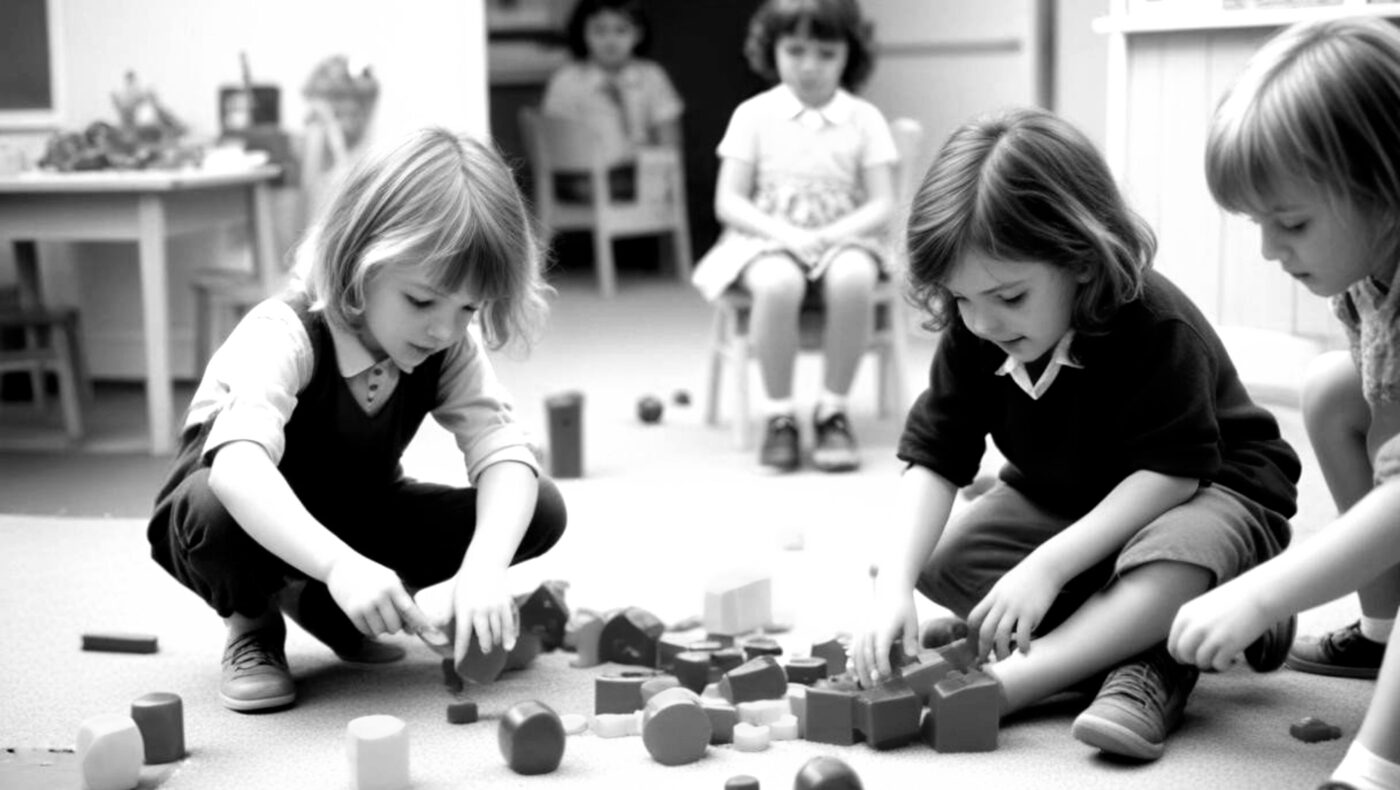
  5. Constructive Play: Constructive play involves building and creating, such as using blocks, Lego, or arts and crafts materials. It helps children develop fine motor skills, spatial awareness, and problem-solving abilities. Constructive play also encourages perseverance and the ability to plan and execute ideas.

How to Encourage Play at Home

While our play school provides a rich environment for play, parents can also support their child’s development by encouraging play at home. Here are some tips to create a playful and stimulating environment:

  1. Provide a Variety of Toys and Materials: Offer a range of toys and materials that encourage different types of play. Include items like building blocks, puzzles, art supplies, dress-up clothes, and outdoor toys. Make sure to rotate toys periodically to keep things interesting.
  2. Create a Safe and Inviting Play Space: Set up a designated play area where your child feels safe and comfortable. Ensure the space is free from hazards and filled with engaging materials. A cozy reading nook, a craft table, and an open area for physical play are great additions.
  3. Join in the Fun: Play with your child! Engage in activities that they enjoy and let them take the lead. Playing together strengthens your bond and provides opportunities for you to model positive behaviors and social skills.
  4. Encourage Outdoor Play: Nature offers endless opportunities for exploration and play. Encourage your child to spend time outdoors, whether it’s in the backyard, a local park, or on a nature walk. Outdoor play helps children connect with the environment and promotes physical activity.
  5. Limit Screen Time: While screens can offer educational content, it’s important to balance screen time with other types of play. Set limits on screen use and encourage activities that involve physical movement, creativity, and social interaction.

The Role of Teachers in Facilitating Play

Teachers play a crucial role in facilitating play-based learning in early childhood education. They create an environment that encourages exploration and discovery, provide guidance when needed, and observe children to understand their interests and developmental needs. Here’s how teachers at our play school support play:

  1. Setting Up Play Stations: Teachers set up various play stations in the classroom, each designed to promote different types of play. These stations may include areas for art, building, reading, dramatic play, and sensory activities.
  2. Providing Open-Ended Materials: Open-ended materials, such as blocks, playdough, and loose parts, encourage creativity and imagination. Teachers select materials that can be used in multiple ways, allowing children to explore and invent.
  3. Observing and Assessing: Teachers observe children during play to assess their development and identify their interests. This information helps teachers plan activities that are tailored to each child’s needs and strengths.
  4. Guiding and Extending Play: While child-initiated play is essential, teachers also guide and extend play by introducing new concepts, asking open-ended questions, and encouraging problem-solving. This helps deepen the learning experience.
  5. Creating a Positive Atmosphere: Teachers create a positive and inclusive atmosphere where all children feel valued and supported. They encourage cooperation, kindness, and respect among peers.

Conclusion

Play is an essential component of early childhood education, providing a foundation for lifelong learning and development. By recognizing the importance of play and encouraging it both at school and at home, we can help our children grow into well-rounded individuals. At our play school, we are committed to creating a nurturing and stimulating environment where play is celebrated and children thrive. We invite you to join us in this journey, supporting your child’s growth through the power of play.

Nurturing Creativity in Early Childhood: The Power of Imagination in Play School

As parents and educators, we all want our children to grow up to be creative, resourceful, and confident individuals. One of the most effective ways to nurture these qualities in young children is by fostering their imagination. At our play school, we prioritize activities and environments that encourage imaginative play because we understand its profound impact on a child’s development. In this blog, we’ll explore why imagination is crucial for early childhood development, how it benefits children, and ways we can support and enhance imaginative play both at school and at home.

The Importance of Imagination in Early Childhood

Imagination is a powerful tool that allows children to explore their world, experiment with ideas, and express themselves. During the early years, children’s brains are highly receptive, and imaginative play helps to develop various cognitive, social, and emotional skills. Here are some reasons why nurturing imagination is essential:

  1. Cognitive Development: Imagination stimulates cognitive growth by encouraging children to think creatively, solve problems, and make connections between different concepts. It enhances memory, attention span, and the ability to understand abstract ideas.
  2. Social Development: Through imaginative play, children learn to navigate social situations, understand different perspectives, and develop empathy. Role-playing activities, such as playing house or pretending to be different characters, teach children about social roles and relationships.
  3. Emotional Development: Imaginative play provides a safe space for children to express their emotions and explore their feelings. It allows them to experiment with different scenarios and outcomes, helping them to build resilience and cope with real-life challenges.
  4. Language Development: When children engage in imaginative play, they use language to communicate their ideas, negotiate roles, and narrate stories. This enhances their vocabulary, language skills, and ability to articulate thoughts and feelings.
  5. Creative Thinking: Encouraging imagination fosters creative thinking, which is crucial for innovation and problem-solving. Children who are given the freedom to explore their creative ideas are more likely to develop a lifelong love of learning and curiosity.

How Imagination Benefits Children

Imaginative play has far-reaching benefits that extend beyond early childhood. Here are some specific ways in which it positively impacts children’s development:

  1. Enhancing Problem-Solving Skills: When children use their imagination to create scenarios and solve problems, they develop critical thinking skills. For example, building a fort out of cushions requires planning, collaboration, and problem-solving.
  2. Boosting Self-Confidence: Imaginative play allows children to experiment with different roles and scenarios, which helps build their self-confidence. By pretending to be a teacher, doctor, or superhero, they gain a sense of accomplishment and self-assurance.
  3. Encouraging Collaboration: Many imaginative play activities involve working with others. Children learn to share ideas, take turns, and collaborate, which are essential skills for building healthy relationships and teamwork.
  4. Promoting Independence: When children engage in imaginative play, they often take the lead in directing their activities. This fosters independence, decision-making skills, and the ability to entertain themselves without relying on external stimuli.
  5. Fostering Emotional Resilience: Imaginative play allows children to work through their emotions and experiences. For instance, reenacting a visit to the doctor can help a child cope with fears and anxieties about medical appointments.

Supporting Imaginative Play at School

At our play school, we create an environment that encourages and supports imaginative play. Here’s how we do it:

  1. Providing Open-Ended Materials: We offer a variety of open-ended materials, such as blocks, art supplies, costumes, and natural objects. These materials can be used in multiple ways, allowing children to explore their creativity and imagination.
  2. Creating Inviting Play Spaces: Our classrooms are designed to inspire imaginative play. We have dedicated areas for role-playing, building, art, and reading. Each space is carefully curated to stimulate children’s curiosity and creativity.
  3. Encouraging Outdoor Play: Nature is a wonderful catalyst for imaginative play. Our outdoor play areas include spaces for children to explore, build, and create using natural materials. Whether it’s digging in the sandbox, building a fairy garden, or pretending to be explorers, the outdoors offers endless possibilities.
  4. Facilitating Role-Playing Activities: We provide props and costumes that encourage children to engage in role-playing activities. This allows them to experiment with different roles and scenarios, fostering social skills and creativity.
  5. Incorporating Storytelling: Storytelling is a powerful way to nurture imagination. We regularly read stories, encourage children to create their own, and engage in group storytelling activities. This helps children develop language skills and a love for literature.

Encouraging Imagination at Home

Parents play a crucial role in nurturing their child’s imagination. Here are some tips for encouraging imaginative play at home:

  1. Create a Play-Friendly Environment: Designate a space in your home where your child can freely engage in imaginative play. Ensure it is filled with open-ended materials like art supplies, building blocks, and costumes.
  2. Limit Screen Time: While technology can offer educational content, it’s important to balance screen time with activities that stimulate imagination. Encourage your child to engage in hands-on play and creative activities.
  3. Engage in Pretend Play: Join your child in pretend play activities. Whether it’s having a tea party, playing store, or building a fort, your involvement can enhance their experience and strengthen your bond.
  4. Encourage Outdoor Exploration: Spend time outdoors with your child. Nature offers endless opportunities for imaginative play, from exploring a park to creating a garden. Encourage your child to use natural materials in their play.
  5. Read Together: Reading stories together is a wonderful way to stimulate imagination. Choose books that inspire creativity and encourage your child to come up with their own stories.
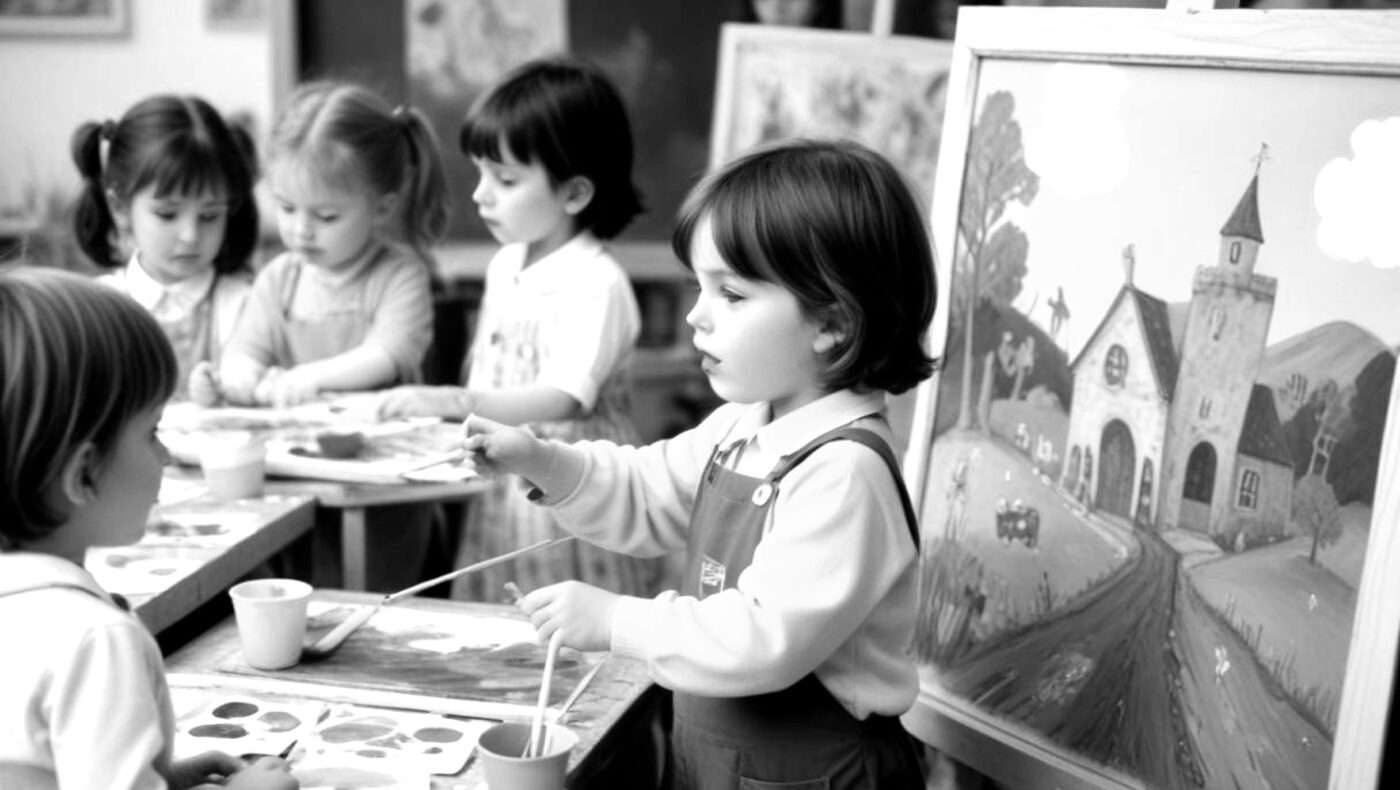
  6. Provide Art Supplies: Keep a variety of art supplies on hand and encourage your child to create. Drawing, painting, and crafting are excellent ways for children to express their imagination.

Conclusion

Nurturing imagination in early childhood is essential for fostering creativity, problem-solving skills, and emotional resilience. At our play school, we are committed to creating an environment that supports and enhances imaginative play. By providing open-ended materials, inviting play spaces, and opportunities for role-playing and storytelling, we help children develop the skills they need to thrive.

Parents can also play a significant role in encouraging imaginative play at home. By creating a play-friendly environment, limiting screen time, engaging in pretend play, and spending time outdoors, you can support your child’s creativity and overall development.

Remember, imagination is not just about play—it’s about learning, growing, and exploring the world. By nurturing your child’s imagination, you are giving them the tools they need to become innovative, confident, and well-rounded individuals. We invite you to join us in this journey and celebrate the power of imagination in early childhood education.